Every single day, thousands of vulnerable individuals find themselves lost, disoriented, or missing in public spaces across our towns and cities. These individuals may be living with dementia, suffering from severe mental health crises, experiencing autism-related sensory overload, or coping with unexpected medical emergencies. Whether you work as a commercial transport operator, a retail professional, or simply happen to be a concerned member of the community, encountering someone in distress can be a deeply unsettling experience. While your natural human reaction might be to step forward immediately and offer direct assistance, doing so without evaluating the situation can accidentally increase agitation or create safety risks for both parties. Understanding how to handle these situations with empathy, composure, and strict adherence to personal safety guidelines is essential for building safer, more supportive communities.
 Identifying Key Signs of Disorientation and Distress
Before taking any action to assist a member of the public, you must first recognize the signs that indicate a person is genuinely lost, disoriented, or in need of specialized support. Distinguishing between a person who is simply waiting for a friend and someone who is experiencing a cognitive crisis requires careful observation. Individuals who are vulnerable or missing frequently display distinct physical and behavioral cues that set them apart from regular pedestrians or commuters.
Pay close attention to the following common indicators when evaluating someone in public:
Inappropriate Attire: Wearing clothes completely unsuited to the current weather conditions, such as wearing heavy winter coats during summer or walking barefoot in rainy winter weather.
Erratic Movement Patterns: Walking in continuous circles, pacing back and forth aimlessly, or standing completely motionless in busy transit hubs for extended periods.
Visible Physical Confusion: Displaying facial expressions of extreme distress, tearfulness, hyperventilation, or looking frantically at street signs without taking action.
Unawareness of Surroundings: Being unable to articulate where they are going, showing complete unawareness of the time of day, or failing to recognize major public landmarks.
Safe Engagement Strategies for Approaching Vulnerable Individuals
Once you have identified someone who appears disoriented, approaching them requires a balanced approach centered on calm communication and personal boundaries. Sudden movements, aggressive approaches, or invading personal space can easily trigger panic in someone who is experiencing confusion or a mental health crisis. Your primary objective during the initial approach is to establish a reassuring environment while ensuring you retain a clear path to retreat should the person become hostile or overwhelmed.
When engaging with a potentially vulnerable individual, keep these safety and communication rules in mind:
Maintain a Safe Distance: Position yourself at least two arm-lengths away to avoid invading their personal space or making them feel cornered.
Adopt a Low-Pressure Stance: Keep your body posture relaxed, open, and non-confrontational, avoiding crossed arms or hands hidden deep inside pockets.
Speak in Calm, Simple Tones: Use a clear, reassuring voice with simple phrasing, asking open questions such as "Hello, do you need some help finding where you're going?"
Avoid Physical Touch: Refrain from touching the person's shoulder or arm, as unexpected touch can be misinterpreted as an attack and provoke a defensive physical reaction.
The Critical Role of Regulatory Training and Safeguarding Protocols
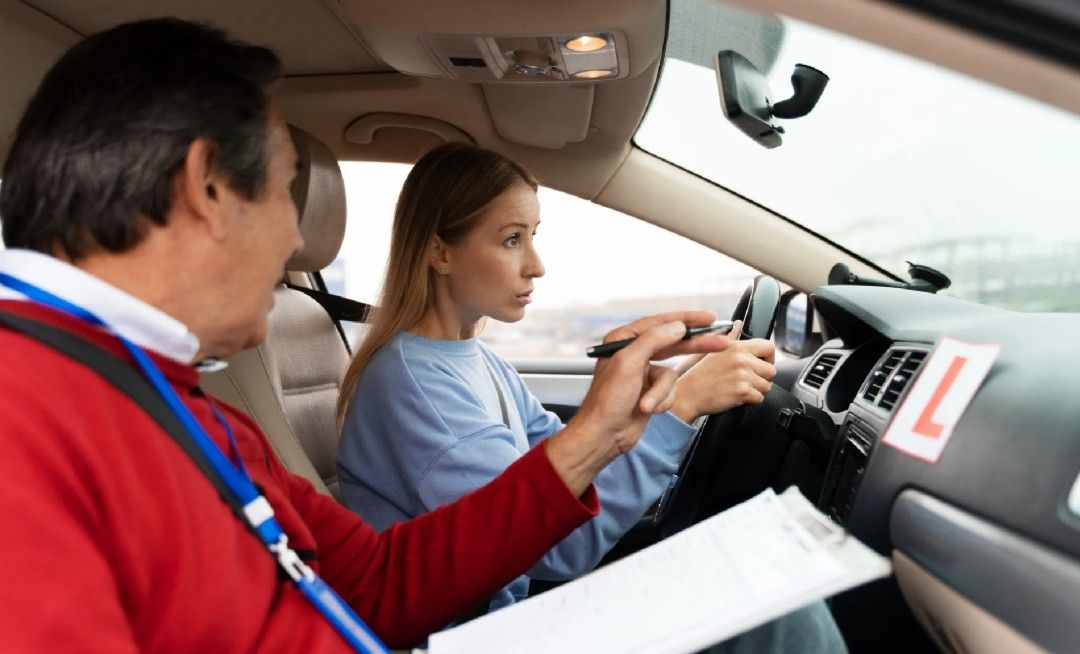
For individuals working in public-facing roles—especially taxi drivers, private hire operators, bus drivers, and delivery personnel—safeguarding vulnerable individuals is an integral part of professional duty. Commercial drivers regularly encounter missing persons or confused passengers at transport hubs, train stations, and late-night pickup points. Having a structured framework for recognizing safeguarding risks, understanding legal obligations, and knowing proper escalation channels transforms frontline workers into vital community safety networks.
Participating in standardized professional development, such as a comprehensive SERU training course, provides transport professionals with the necessary foundation in safety, equality, and regulatory understanding. This specialized instruction equips drivers to navigate complex human interactions responsibly, maintain regulatory compliance, and handle vulnerable passengers without compromising personal or public safety. When professional drivers and commercial operators understand these core safeguarding protocols, they are far better prepared to assist lost or disoriented individuals effectively while fulfilling their professional duty of care.
Effective Communication with Emergency Services and Support Networks
When you determine that a person is indeed lost, vulnerable, or in immediate danger, taking swift and structured action is critical. Attempting to manage a complex cognitive or medical crisis on your own is rarely safe or recommended. Instead, your main responsibility is to act as a vital link between the individual and professional emergency services, local police, or specialized adult safeguarding teams.
When contacting emergency services or recording incident details, prioritize the following actions:
Call Emergency Services Promptly: Dial local emergency numbers immediately if the person appears injured, medically unstable, aggressive, or expresses thoughts of self-harm.
Provide Precise Location Data: Give exact street names, landmark references, or digital location coordinates so responders can locate you quickly.
Describe Physical Identifiers Discreetly: Safely note approximate age, clothing descriptions, height, build, and any visible distinguishing features.
Maintain Distance While Monitoring: Keep the person in your direct line of sight from a safe distance until help arrives, ensuring they do not wander into dangerous traffic or secluded areas.
Conclusion: Fostering Safer Communities Through Vigilance and Care
Assisting a disoriented or vulnerable missing person requires a thoughtful blend of genuine compassion, practical vigilance, and unwavering commitment to personal safety. By recognizing the subtle physical signs of confusion, utilizing gentle de-escalation communication techniques, and leveraging professional safeguarding training, everyday citizens and transport professionals alike can make a profound difference. You do not need to act as a heroic rescuer to save a life; simply remaining calm, observing from a safe distance, and connecting a vulnerable individual with professional support services ensures that lost members of our community return home safely.
 S
S
serutraining
@serutraining
Posts
-
How to Support Disoriented or Vulnerable Missing Persons Without Placing Yourself at Risk